July 27, 2026
Choosing a new water heater is a significant decision that weighs heavily on both your home's energy efficiency and overall utility expenses. A well-selected water heater can significantly lower your monthly bills, offering an environmentally friendly alternative with remarkable savings over its lifespan. Conversely, an ill-suited choice can not only escalate operating costs but also fall short in meeting your household’s hot water demands effectively. Given these considerations, asking the right questions before installing a new water heater is crucial to making a smart investment in your home.
The process of selecting a suitable water heater involves understanding various types, sizes, and their respective benefits to ensure optimal performance. With advancements in technology, options like tankless water heaters have become increasingly popular due to their energy efficiency and continuous hot water supply. The importance of energy efficiency goes beyond cost savings, influencing environmental sustainability and the longevity of your appliance. Hence, thoroughly analyzing your needs and possibilities can lead to a more informed decision.
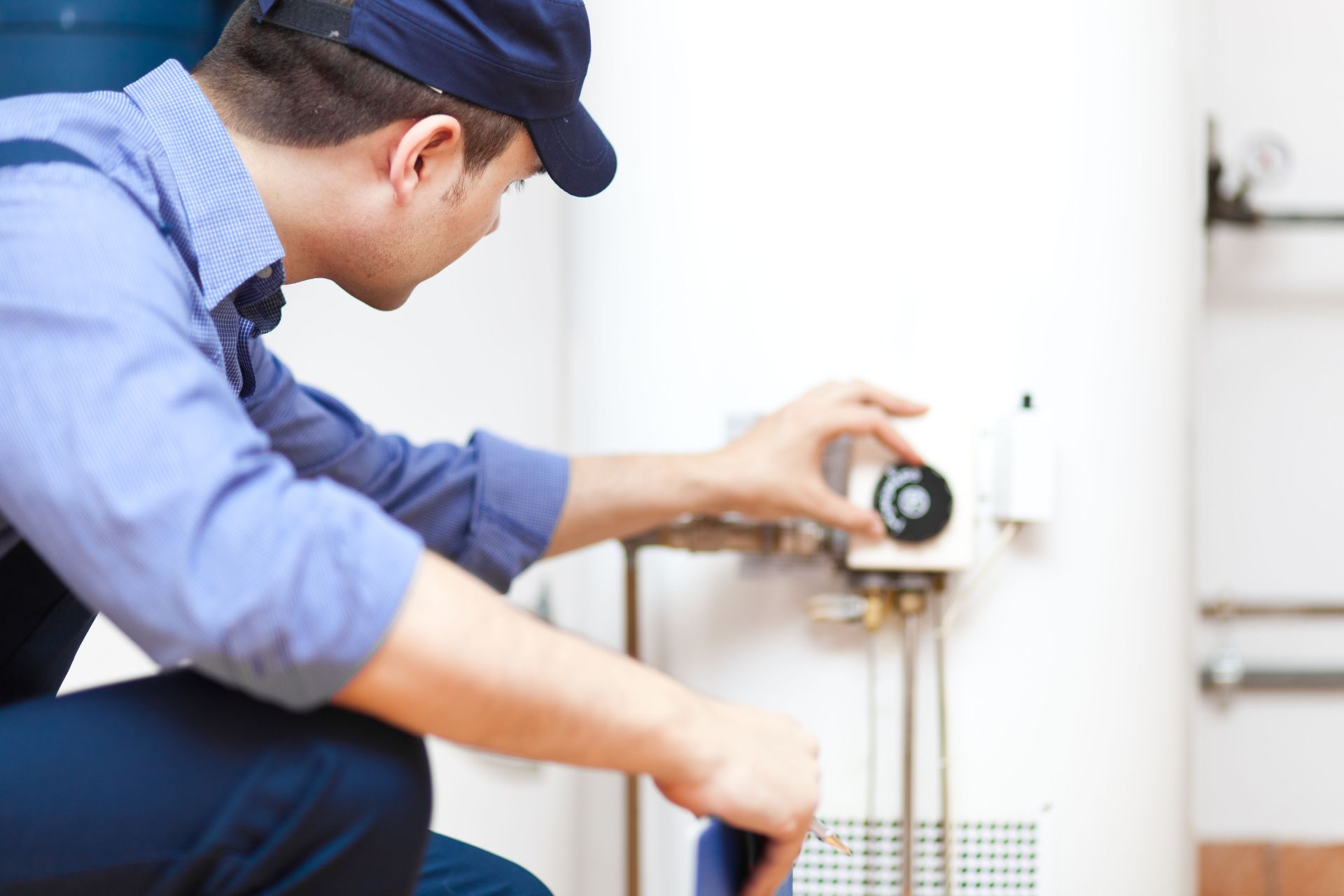
From determining the ideal water heater type to understanding the nuances of installation, each consideration plays a vital role in solidifying your choice. Engaging with experts like tankless water heater installers or seeking guidance from professional services can offer insights into what models best align with your household's hot water usage. Furthermore, staying informed about the installation process and potential costs with help from tankless water heater installers prevents unexpected difficulties, ensuring a seamless transition to your new water heating system.
1. What are the advantages of a tankless water heater?
Energy Efficiency and Cost Savings
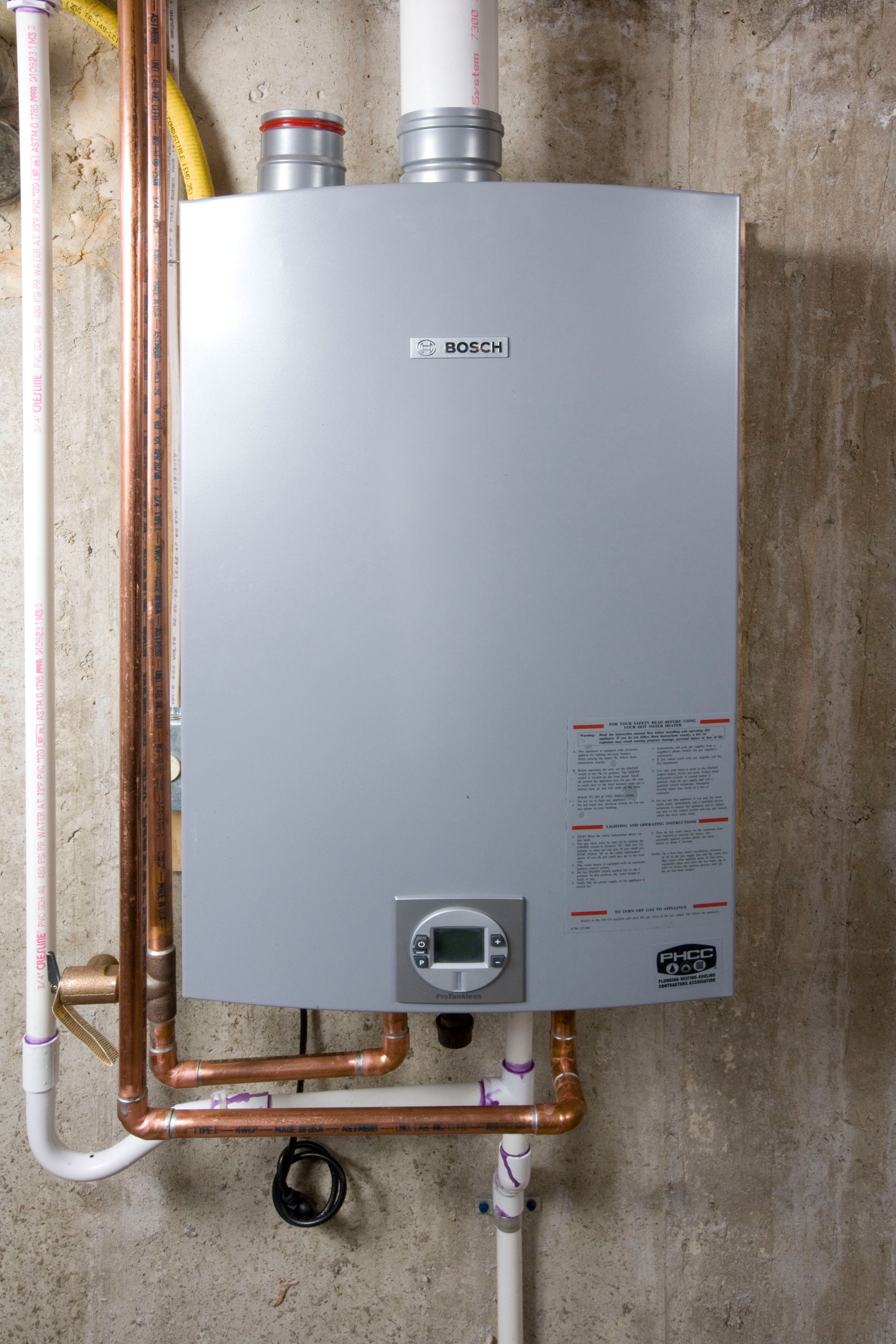
Tankless water heaters are renowned for their energy efficiency, as they heat water on demand, eliminating the need for a storage tank and thereby reducing standby heat loss. This technology not only saves energy but also results in considerable cost savings on monthly utility bills. By providing hot water only when needed, they can be up to 34% more energy-efficient than traditional storage tank water heaters. The long-term savings in energy expenditure help offset the initial installation costs, making tankless options a wise financial investment for many homeowners.
Another aspect of their cost-efficient nature is the reduced maintenance they require over their lifespan, often lasting more than 20 years if properly maintained. Traditional units, with their constantly heated water tanks, can suffer more wear and tear, thus requiring more frequent repairs and replacements. According to HomeGuide, a water heater may need to be replaced if it is over 10 years old or if the repair costs are more than 50% of the replacement cost. The lower frequency of repairs is a pivotal advantage of tankless water heaters, contributing to long-term financial prudence.
Space-Saving Design
The compact size of tankless water heaters is another significant advantage, as they are designed to be mounted directly on walls, freeing up valuable floor space in your utility area. This makes them an ideal choice for smaller homes or apartments where space is at a premium. Unlike traditional water heaters that require large tanks to store heated water, tankless systems provide an unobtrusive solution that integrates smoothly into any home design. This space efficiency not only improves the organization of the installation area but also offers additional storage possibilities in previously occupied spaces.
Additionally, this compactness offers more installation flexibility, allowing homeowners to position the heater closer to the point of use. This minimizes the distance hot water has to travel, reducing heat loss in long pipe runs and providing hot water faster. The strategic installation capability not only enhances energy efficiency but also caters to more customized installation solutions tailored to each home's unique layout. This adaptability presents another compelling reason to consider a tankless water heater for your next installation.
2. How do I choose the right size for my home?
Understanding Your Household's Needs
Determining the appropriate size for a tankless water heater with help from tankless water heater installers requires a comprehensive understanding of your household's daily hot water usage. Variables such as the number of bathrooms, kitchen usage, laundry habits, and simultaneous appliance operation influence the size needed to consistently meet demand. Accurately assessing these factors is crucial to ensure consistent hot water access without overwhelming the capacity of your system. By having a clear picture of your family's habits, you can make an informed decision that supports your lifestyle and comfort needs.
Knowing your household's specific demands helps prevent the risk of overloading the water heating system, which can lead to insufficient performance and potentially shorten its lifespan. Such insights also assist in budgeting by avoiding unnecessary expenses associated with purchasing a larger model than required. If you're replacing an older system, referencing previous utility bills can provide a baseline for estimating current requirements. Understanding past usage patterns is an effective way to determine the right capacity for your new water heater.
Flow Rates and Temperature Rise
The concept of flow rate is a vital factor in selecting the appropriate size for a tankless water heater. Flow rate refers to the amount of water a unit can heat at any given time, measured in gallons per minute (GPM). Assessing your family's simultaneous hot water usage during peak times will help calculate the desired flow rate for your system. This insight ensures that hot water needs are met efficiently, regardless of how many appliances or fixtures are operating concurrently.
Temperature rise is another critical consideration, as it represents the temperature difference your unit needs to overcome to deliver water at the desired hot temperature. The incoming water temperature can vary depending on the climate and time of year, impacting the efficiency and capacity of your heater. A higher temperature rise requires more power and may necessitate a larger heater to meet those demands effectively. Understanding both flow rate and temperature rise ensures your unit will efficiently provide the desired hot water supply.
3. What is the installation process for a tankless water heater?
Initial Assessment and Location
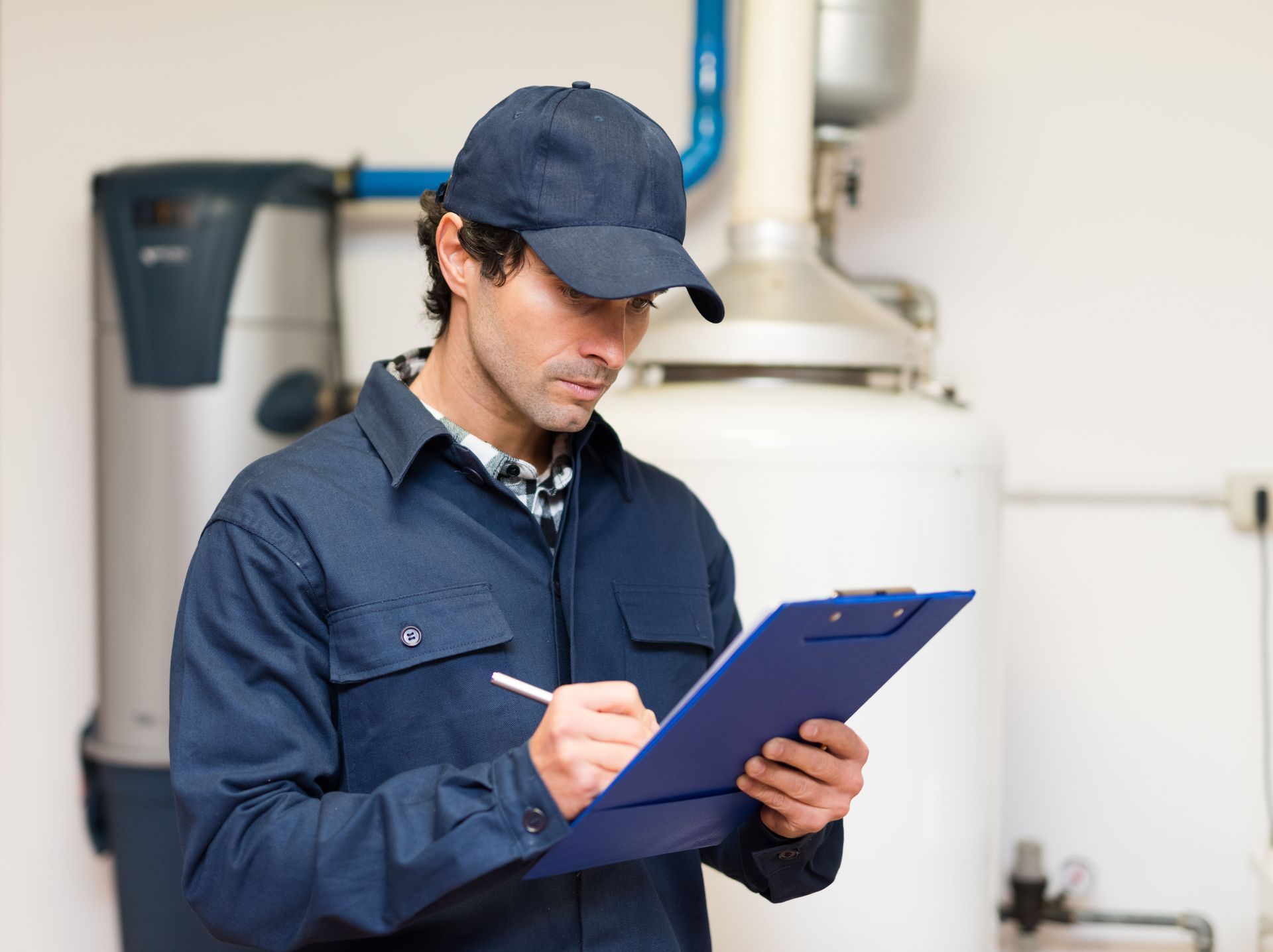
Before installing a tankless water heater, a comprehensive initial assessment of your home's infrastructure and layout is vital. This evaluation considers existing plumbing, gas or electric availability, and ventilation to determine the most suitable installation location. Critical factors include analyzing the best location for reducing heat loss, the ease of connecting services, and code compliance considerations. Proper assessment supports efficient installation while enhancing the functionality and performance of the system integrated into your home.
The location of the heater plays an important role in minimizing energy loss and harmonizing with home aesthetics. By placing the unit closer to high-demand areas such as kitchens or bathrooms, homeowners can reduce lag times in hot water delivery. Strategic positioning not only saves on monthly heating costs but also enhances the overall satisfaction of the hot water experience. It is thus imperative to discuss location options thoroughly with tankless water heater installers to select the most practical position.
Required Modifications and Repairs
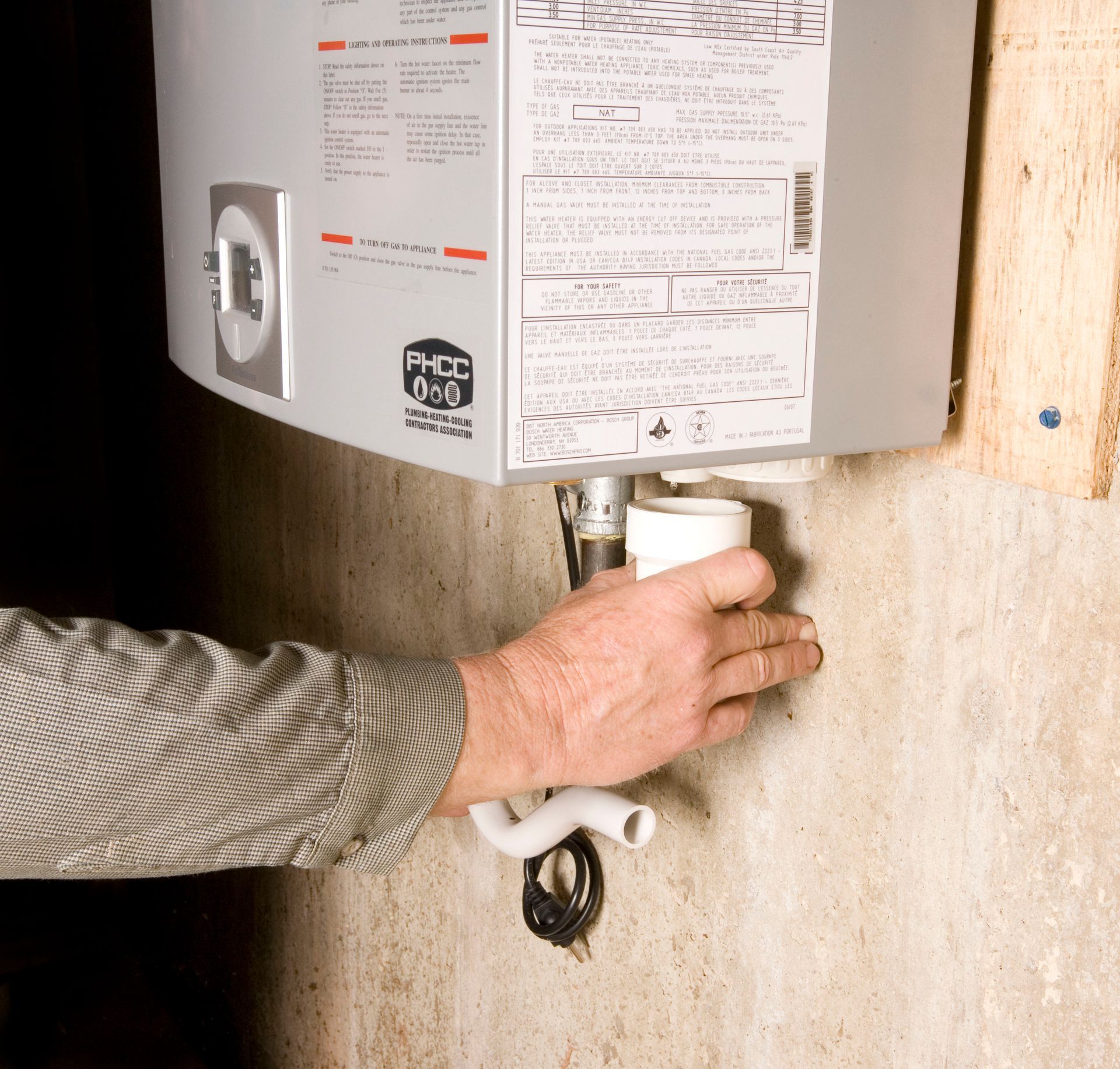
The transition to a tankless water heater may necessitate various modifications to accommodate the unit’s installation requirements. Often, updating gas lines or electrical circuits is necessary to supply the needed power for optimal unit performance. Structural adjustments such as vent piping installations for combustion gases might also be required to adhere to safety codes and manufacturer recommendations. Addressing these prerequisites early in the process ensures compliance and smooth installation, minimizing unexpected complications.
Professional evaluation of possible modifications further assists in accurately projecting associated installation costs, preventing budget overruns. A comprehensive understanding of required repairs and modifications supports transparent communication with tankless water heater installers, allowing them to provide realistic quotes. Compared to the potential expense of addressing unexpected challenges during installation, holding initial discussions with tankless water heater installers about necessary adjustments is more efficient and cost-effective. Working with experts ensures that all potential alterations are considered, promoting successful integration of your new system.
In conclusion, as technology advances, it offers homeowners a plethora of options when considering a new water heater. Tankless water heater installers can help with everything from understanding the benefits of various models to knowing one's household needs and installation practices. Reach out to Excalibur WaterHeaters Inc today to see how we can help you!