December 23, 2025
When considering the installation of a new water heater, ensuring its efficiency is paramount. Not only does it impact your utility bills, but it also affects your carbon footprint and the overall sustainability of your home. Engaging with your local water heater installer with the right conversations can help ensure you make an informed decision for both your wallet and the environment. Making energy-efficient choices can potentially save thousands of dollars over the lifespan of your appliance while contributing to environmental conservation. Here's a comprehensive guide on how to navigate efficiency considerations with your installer.
Efficiency Ratings
Monitoring the efficiency of water heaters is essential, and knowing the different efficiency ratings can be quite beneficial. One of the primary efficiency metrics is the Energy Factor (EF), which gauges the overall energy efficiency of a water heater. It accounts for the amount of hot water produced per unit of fuel consumed over a typical day. Another valuable rating to understand is the Uniform Energy Factor (UEF), which provides a standardized metric for comparing water heaters. Knowing the differences between these ratings is crucial, as it influences how you interpret energy usage and operating costs.
Energy Factor (EF) focuses on the heater's ability to convert energy into hot water, considering factors like recovery efficiency and standby losses. On the other hand, the Uniform Energy Factor (UEF) is a more modern and comprehensive standard that complies with Department of Energy regulations. UEF considers the varying patterns of usage and is more reliable for real-world applications. These ratings matter because higher ratings often correspond to lower energy costs and environmental impact. By comparing the EF and UEF of different models, homeowners can discern which units are best suited to their needs.
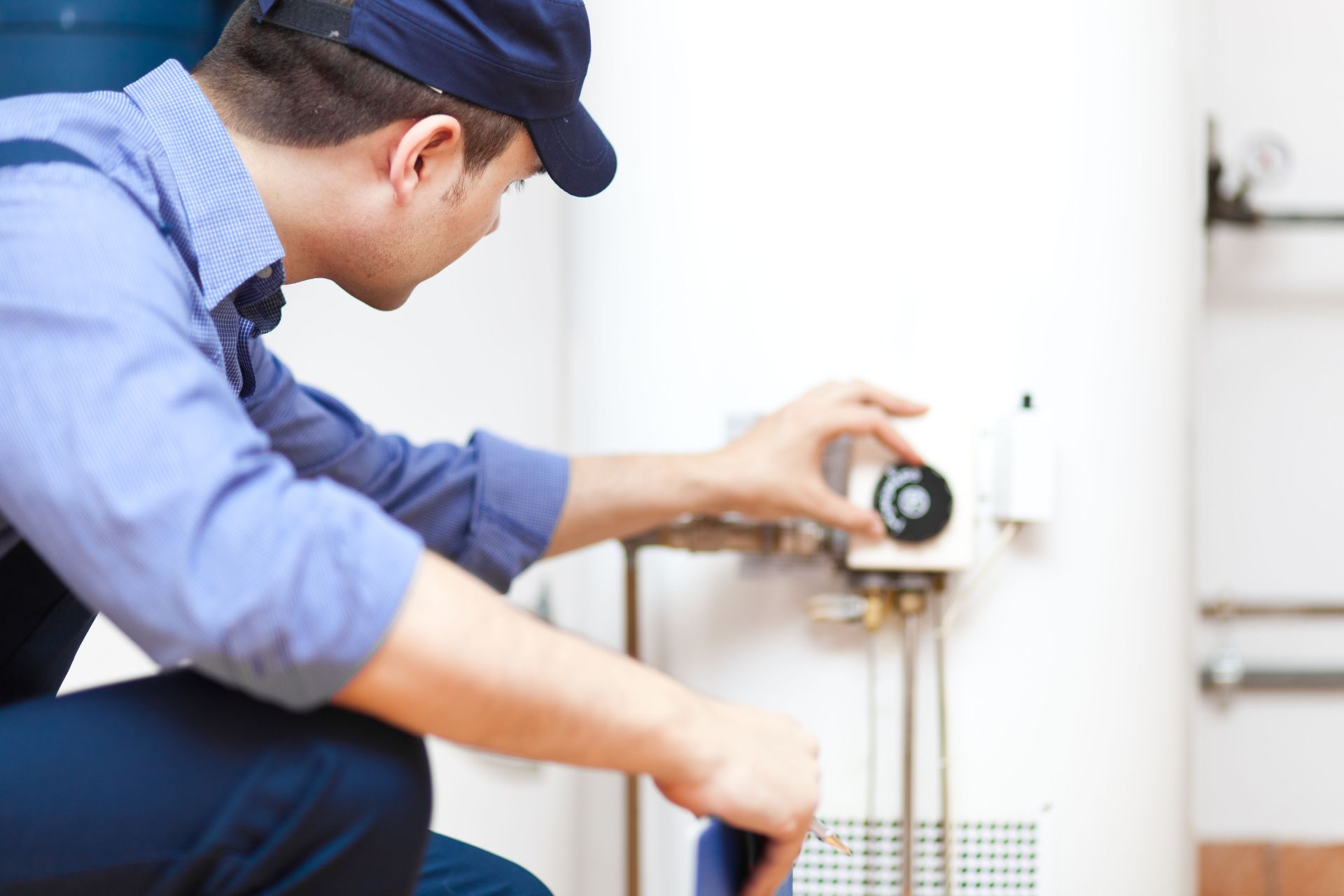
Homeowners should also watch for certifications like ENERGY STAR, which signifies compliance with strict energy efficiency guidelines. Seeking these certifications can assure that the appliance meets high environmental standards. Ratings and certifications can be quite complex; hence, asking questions about how to interpret these ratings is crucial. Installers can also guide you on the latest advancements and what brands and models have strong efficiency credentials. Remember that lowering your water heater temperature can lead to savings—according to This Old House, reducing the temperature by 10 degrees saves 5% in energy use.
Tank vs. Tankless Water Heaters
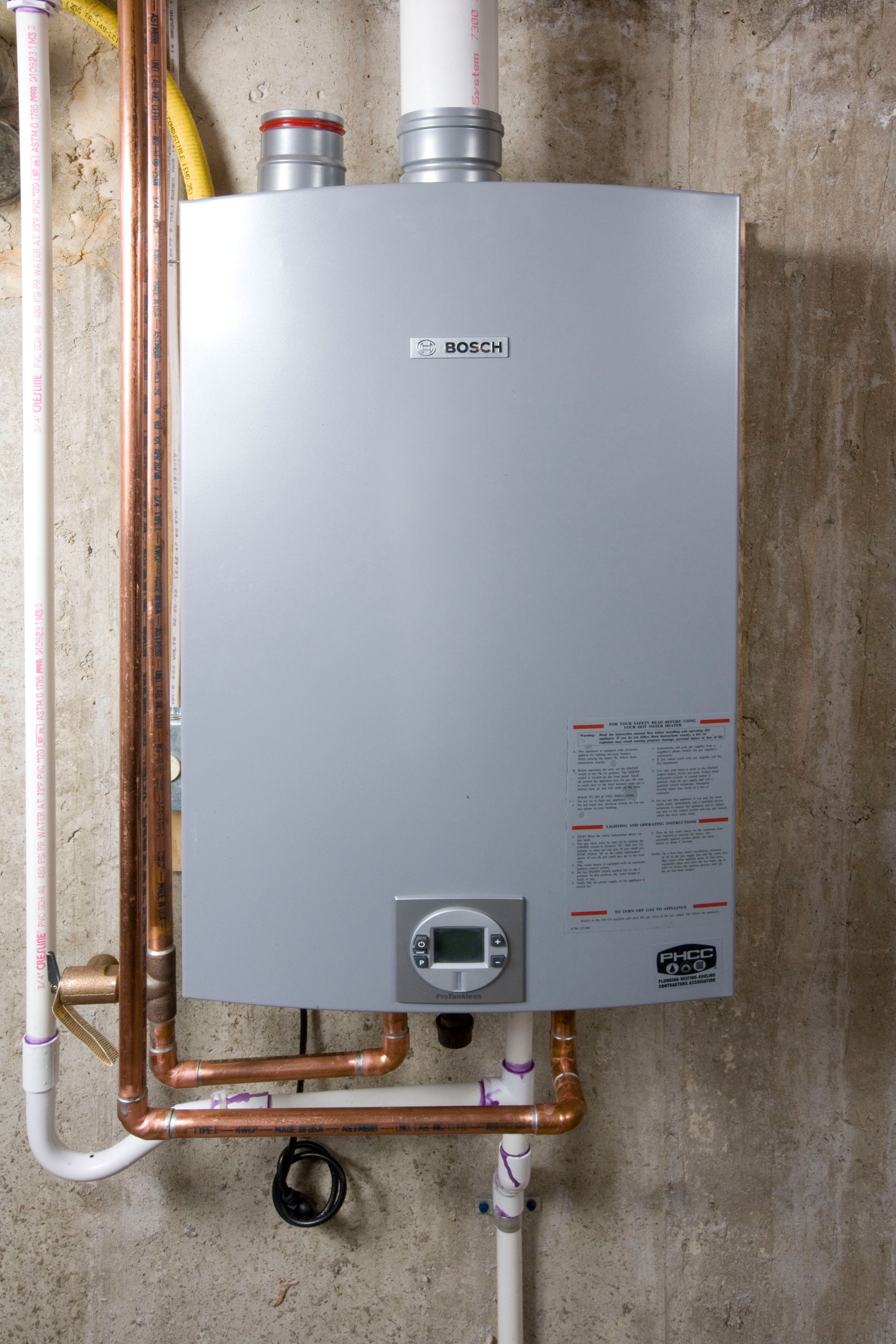
The debate between tank and tankless water heaters often revolves around efficiency. Tank water heaters store a large volume of water and maintain its temperature at all times, consuming energy even when not in use. Conversely, tankless models heat water only on demand, eliminating standby energy losses. This makes tankless water heaters generally more energy-efficient. Tank models usually lose energy through the tank walls, which is a consideration when evaluating long-term costs and energy usage.
The efficiency of a water heater can also depend on household size and hot water demand. For larger families with consistent hot water needs, tank models might be more practical despite their lower efficiency due to their capacity to store and dispense large quantities. For smaller households or those with fluctuating daily hot water needs, tankless models provide substantial savings due to on-demand heating. Installation costs for tank heaters are usually less than for tankless models, but the operational savings of tankless models can offset this over time. Thus, speaking with your installer about your specific needs is vital to making the right choice.
Additionally, some brands are noted for their efficient models, whether tank or tankless. A well-informed installer can highlight which brands offer the highest energy efficiency for your desired model type. Choosing between the two types isn't only about efficiency—installation spaces, costs, and usability should be factored into the decision. The long-term cost implications, considering both the purchase price and operational costs, should be thoroughly discussed with your installer. Efficient choices turn into high cost and energy savings over the years.
The Impact of Fuel Type on Efficiency
The type of fuel a water heater uses can significantly affect its efficiency. Natural gas and electricity are the most common fuel options, each with aspects that influence operating costs and environmental impacts. Natural gas heaters generally cost less to operate due to lower fuel costs, but their installation and venting systems might add to upfront costs. Electric heaters, in contrast, have lower installation costs and are simpler to operate, but electricity prices affect their economic appeal. Understanding these differences can guide you in choosing fuel type based on your long-term efficiency goals.
Alternative energy sources, like solar and hybrid options, are growing in popularity for their efficiency. Solar water heaters harness free energy from the sun, reducing reliance on external fuel sources and providing significant savings over time. Hybrid models, which combine electric heat pump technology with traditional heating elements, offer tremendous efficiency by absorbing ambient heat from the air. Such models are initially expensive, yet their operational savings often justify the price. Discussing these options with your installer can help you decide if cutting-edge technology suits your efficiency requirements.
Other factors, like utility costs and local governmental regulations, can also sway your choice of fuel. Your area's utility costs often dictate whether natural gas or electric units are more economical. Moreover, certain regulations might encourage specific fuel types, offering incentives for environmentally-friendly options. Discussing with your installer about combining multiple fuel types for maximum efficiency might reveal innovative solutions. Your locality's policies, rebates, and efficiencies should be factored into your decision-making process to optimally align with efficiency goals.
Installation Factors Affecting Efficiency
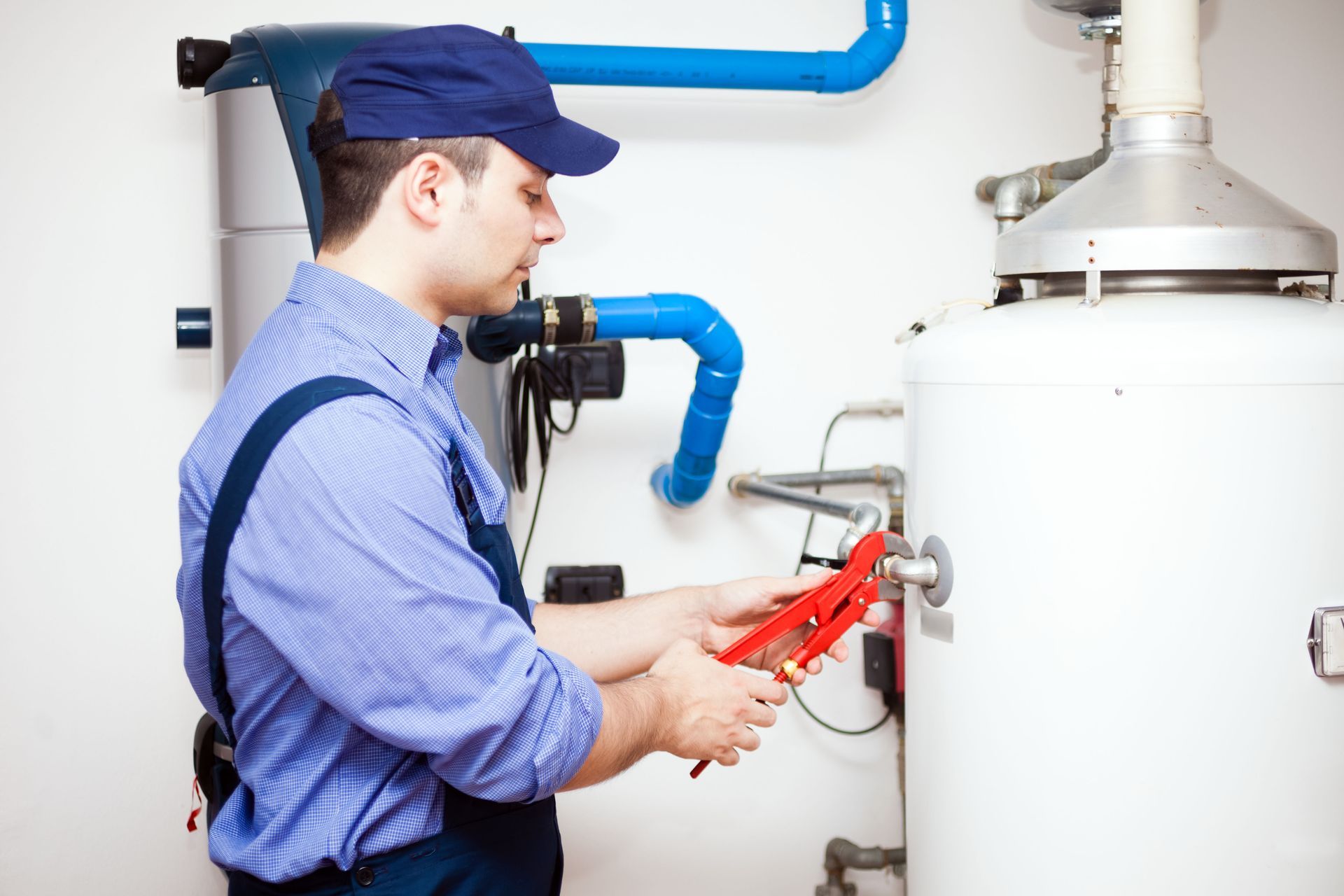
The process of installing a water heater affects its subsequent efficiency. Proper sizing of the unit is first and foremost; an oversized unit wastes energy, while an undersized one fails to meet household demands, thus operating inefficiently. Consulting with your installer to assess your accurate requirements avoids such mismatches. The water heater's location within the home also impacts its efficiency. Placing the heater closer to points of use reduces energy loss through long piping, thus optimizing performance.
Additionally, insulation techniques during installation can lead to efficiency gains. Insulating both the tank and associated piping minimizes heat loss and improves the efficiency of tank heaters. Installers can employ various strategies, like pipe sleeves or insulated jackets, to enhance efficiency. The quality of installation itself, whether in securing connections or calibration, significantly influences performance. Hiring an experienced and competent installer ensures these elements are given due consideration, preventing energy inefficiencies.
On-site inspections post-installation verify that the unit operates as intended, maximizing efficiency gains. These inspections ensure that all technical aspects, including pressure, heat settings, and safety measures, adhere to optimal performance standards. An experienced installer might offer on-site evaluations to ensure compliance with energy efficiency measures. This step is crucial as it can identify issues early, avoiding future inefficiencies or breakdowns. Thorough installations paired with inspections maximize the heater’s lifespan and operating efficiency.
Maintenance and Longevity Considerations
Regular maintenance is crucial for ensuring that your water heater operates at peak efficiency. Simple steps like periodically flushing the tank in a storage water heater can prevent mineral build-up, which impacts efficiency. Regular inspection of the heating elements and checking for leaks or deterioration further promotes efficient function. Installers usually recommend a routine maintenance schedule that aids in extending the unit’s lifespan. Engaging consistently in minor repairs prevents bigger issues that compromise efficiency.
The impact of water quality on efficiency and lifespan cannot be overstated. Hard water, with its high mineral content, often leads to scale build-up, which affects heating elements and reduces operational efficiency. Water softening systems can mitigate these effects and prolong the life of your heater. Your installer might recommend pre-installation water testing to identify quality issues, allowing you to address them proactively. Implementing water quality improvements safeguards both your investment and efficiency standards.
Recognizing signs like inconsistent water temperatures or increased energy use can indicate when a replacement is necessary. Though regular maintenance can prevent many issues, sometimes the continued efficiency of an older unit can't meet the cost savings offered by newer, more efficient models. Upgrading systems, especially in conjunction with available warranties and extended protection, can be more cost-effective long-term. Talk with your installer about potential modernization options that align with efficiency goals. Older units can sometimes be retrofitted or adapted to improve efficiency, but replacement might eventually be the most prudent approach.
By discussing these important efficiency-related topics when consulting with your local water heater installer, you can make a more informed decision that best suits your household's needs. Balancing initial costs with long-term savings and environmental considerations is vital in choosing the right water heater for your home. Equip yourself with the knowledge to ensure you select the most efficient, cost-effective, and sustainable option available. With an experienced installer as your guide, making choices that are kind to both your wallet and the environment becomes achievable. Embrace energy efficiency as not only a financial benefit but also as a commitment to global sustainability. Contact American Insulation today for more information.