February 6, 2026
Explore how efficient water heaters can significantly cut down energy costs. This article offers expert tips directly from your local water heater company to help you optimize energy usage while maintaining comfort. With rising energy costs and growing environmental concerns, it's imperative to explore innovative ways to reduce consumption without sacrificing the convenience of hot water. By understanding the dynamics of your water heater's energy use, you can implement strategies that yield both financial savings and contribute to sustainable living. Start by being informed about energy-efficient technologies and practices, and learn how to integrate them effectively into your daily routines.
Understand Your Water Heater’s Energy Usage
Energy efficiency ratings for water heaters are key indicators of their performance and potential cost savings. Understanding these ratings helps you choose the right model for your needs, ensuring optimal energy use and lower bills. Look for the Energy Factor (EF) rating or the newer Uniform Energy Factor (UEF) that provides a standardized measure of efficiency. A higher rating indicates a better energy-efficient water heater, translating to more savings over time. By selecting a water heater with optimal ratings, you align your usage with environmentally friendly practices and reduce your overall energy footprint.
Regular audits of your water heater's performance from a local water heater company can greatly reduce inefficiencies and prevent costly problems. These audits involve reviewing energy consumption patterns and identifying potential issues such as leaks or corrosion that may contribute to energy waste. Conducting an audit periodically, perhaps annually, ensures that your water heater operates within its optimal parameters. Addressing problems early can prevent energy hemorrhages, significantly extending the lifespan of your system. Consulting with professionals for these audits ensures thorough evaluations and accurate assessments, leading to more informed decisions regarding repairs or upgrades.
Standby heat loss occurs when heat escapes from the water heater tank, even when not in use, leading to wasted energy. This phenomenon is especially prevalent in older models without proper insulation or newer technologies. According to This Old House, using an insulation blanket can decrease standby heat loss by 25% to 45%, providing substantial energy savings. Assessing and addressing standby heat loss involves employing insulation solutions such as blankets or wraps around the tank. These measures, along with regular maintenance from a local water heater company, ensure your water heater operates efficiently, reducing both energy consumption and overall costs.
Make Smart Upgrades
Modern high-efficiency water heaters offer substantial energy savings compared to traditional models. These technologically advanced systems boast innovative features such as superior insulation and intelligent heating controls. Exploring these options requires assessing your needs and matching them with the specific attributes of available models, like condensing gas heaters or hybrid heat pump water heaters. Upgrading to high-efficiency equipment not only decreases energy use but also reduces greenhouse emissions, aligning your household with sustainable practices. Government incentives and rebates make these high-tech options even more appealing, helping offset initial upgrade costs.
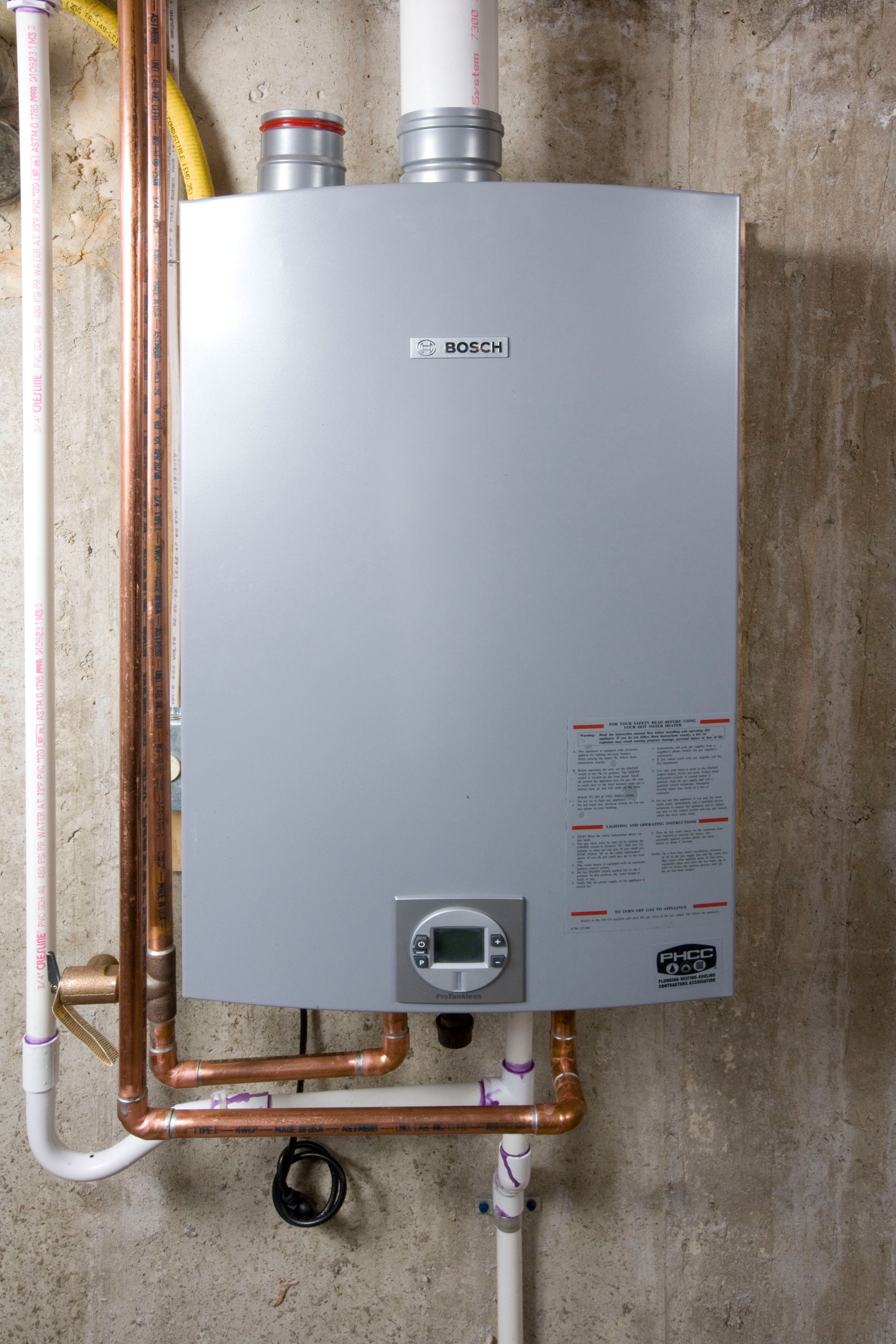
Tankless water heaters, also known as on-demand water heaters, heat water only when needed, eliminating the energy losses associated with storage tanks. This ability to heat water instantly boosts efficiency, as energy is not used to maintain a constant temperature in a full tank. Suitable for both large and small households, in our local water heater company experience, tankless systems also save space and potentially reduce water heating bills by up to 30%. However, initial installation can be costly, so it's crucial to assess long-term savings and energy benefits. Consulting with experts can provide clarity on whether a tankless system complements your household's energy and water usage patterns.
Selecting a water heater with the correct size and capacity is pivotal for maximizing performance and energy efficiency. A unit that is too large wastes energy, while too small of a system may fail to meet demands, leading to potential overuse and inefficiencies. Assessing your household's peak demand times against the water heater's capabilities ensures the right fit between supply and need. Modern sizing calculators and professional installers offer reliable estimates, taking into account the number of occupants and typical use patterns. By choosing the right size, you effectively manage resources, optimizing energy consumption and minimizing waste. Improve Insulation
Water heater blankets serve as an efficient, affordable solution to reduce energy loss by insulating the tank, keeping heat confined within the water heater. These blankets can lower standby heat loss by 25% to 45%, according to This Old House, providing significant cost efficiency without compromising access to hot water. Installation is straightforward and manageable, even for the average homeowner, allowing immediate implementation with observable results. Varieties in material and thickness cater to different models, ensuring compatibility and ease of use. Investing in water heater blankets from a local water heater company thus represents a quick, impactful measure in an overall energy-saving strategy.
Pipes are often overlooked sources of energy loss; insulating them can have a significant effect on reducing energy bills. Techniques for pipe insulation are varied and depend on materials such as foam, rubber, or fiberglass that fit snugly around pipes. By reducing heat dissipation, insulated pipes maintain water at higher temperatures, allowing the heater to perform without excess energy consumption. Installing pipe insulation is a relatively simple process with substantial benefits in conserving heat loss, especially in cold climates or places where the piping runs through unconditioned environments. This step complements other energy-saving practices to create a more efficient household heating system.
Adopt Efficient Water-Using Practices
Low-flow fixtures are designed to reduce water usage without sacrificing performance, making them pivotal in conserving both water and energy. Installing low-flow faucets and showerheads minimizes the amount of hot water used during regular activities such as bathing and washing. This reduction lowers the demand on your water heater, subsequently decreasing energy consumption and operational costs. Additionally, low-flow fixtures contribute to sustainable resource management, allowing households to meet eco-friendly standards. By adopting such fixtures, you embrace a straightforward approach that aligns with broader energy-saving strategies.
Everyday habits significantly impact water and energy usage, creating opportunities to learn from a local water heater company about proactive conservation efforts. Simple actions, such as turning off water taps while brushing teeth or soaping up in the shower, drastically reduce water waste. Similarly, implementing efficient dishwashing techniques and ensuring only full laundry loads are run helps decrease demands on your water heater. Education and consistency in these habits forge a culture of conservation in your household, promoting long-term energy savings. By consciously adopting water-saving practices, you not only reduce energy bills but also support sustainable behavior and resource conservation.
Optimizing laundry and dishwashing methods improves the efficiency of your water heater, often making a significant difference in energy consumption. Use cold water settings for laundry loads unless hot water is necessary, prolonging clothing lifespan while saving energy. For dishwashing, pre-soaking heavily soiled dishes reduces the need for hot water during rinse cycles. Installing or utilizing high-efficiency appliances contributes to these efforts, further enhancing water-heating efficiency. With these adjustments, routine chores become opportunities for energy conservation, enhancing overall household efficiency and sustainability.
Optimizing your water heater for energy efficiency offers both financial and environmental benefits. By understanding your system’s energy usage, selecting the right size and technology, and implementing practical upgrades—such as insulation, low-flow fixtures, and smart usage habits—you can significantly reduce energy consumption and costs. Modern high-efficiency or tankless water heaters, combined with regular maintenance and mindful daily practices, ensure reliable hot water while minimizing waste. Contact the
local water heater company professionals at Excalibur Water Heaters Inc to learn more today!